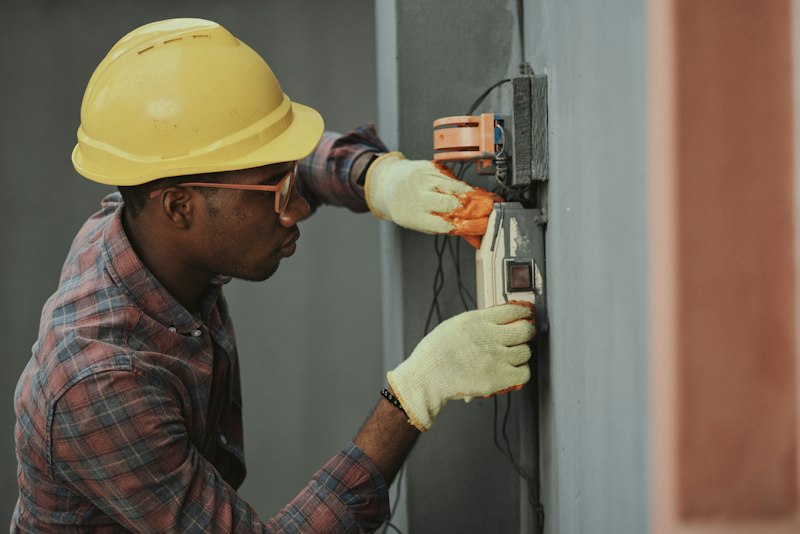
Recessed lighting is one of the most popular home upgrades in the Twin Cities — and for good reason. Done right, it makes rooms feel larger, more modern, and better lit. Done wrong, it creates a cave of shadows or an operating-room glare.
Here's everything you need to know before scheduling your installation.
What Is Recessed Lighting?
Recessed lights (also called can lights or pot lights) are fixtures that are installed into the ceiling so the light source sits flush with the surface. They create a clean, minimalist look and can be used for general illumination, task lighting, or accent lighting.
How Many Lights Do You Need?
A common rule of thumb is one recessed light for every 4–6 square feet of ceiling space, but this varies based on ceiling height, room use, and desired light level. A kitchen typically needs more lights than a bedroom. Your electrician should assess the space and recommend a layout before installation begins.
Spacing and Placement
Lights should be spaced evenly to avoid hot spots and dark corners. For general lighting, place lights about 2 feet from walls and space them 4–6 feet apart. For task lighting over a kitchen island or countertop, lights should be positioned directly above the work surface.
What Size Cans Do You Need?
The most common sizes are 4-inch and 6-inch. Four-inch fixtures work well for accent lighting and lower ceilings. Six-inch fixtures are standard for general room illumination. Larger 8-inch fixtures are used in commercial settings or very high ceilings.
LED vs. Traditional Bulbs
We always recommend LED recessed lights. They use 75% less energy than incandescent bulbs, last 25 times longer, and produce less heat — which is important when you have fixtures in an insulated ceiling. Most modern recessed lights are integrated LED, meaning the light source and fixture are one unit.
What Does Installation Involve?
If you're adding recessed lighting to a room without existing wiring, an electrician will need to run new circuits from your panel and route wiring through the ceiling. This typically requires cutting access holes in the drywall, which are then patched. The process usually takes one day for a standard room.
Dimmer Compatibility
Not all LED fixtures are compatible with all dimmers. If you want dimming capability — and most homeowners do — make sure your electrician specifies dimmable LED fixtures and installs compatible dimmer switches. This is much easier to plan upfront than to retrofit later.
Ready to Get Started?
Behr Electric installs recessed lighting throughout the Twin Cities. We handle everything from layout planning to final installation. Contact us for a free estimate.